
Introduction
Every time I read the Prophet’s (peace be upon him) message on Ramadan, I find something new and moving in it. It never fails to inspire me, to remind me how blessed Ramadan truly is for us, and to bring me back to why we fast and what we should do during this great month.
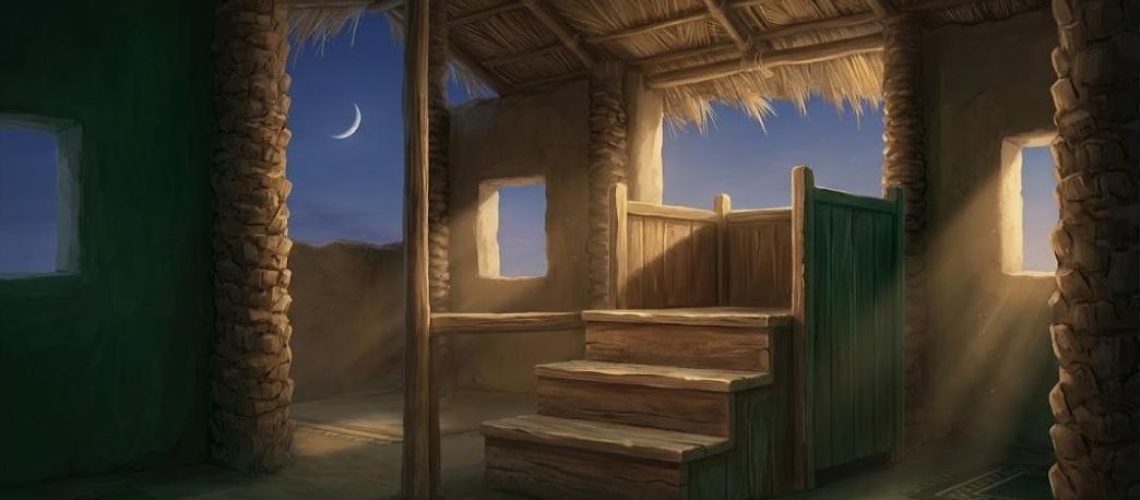
The sermon below was reported by Al-Baihaqi on the authority of Salman Al-Farsi (may Allah be pleased with him). The Prophet (peace be upon him) delivered it on the last day of the month of Sha’ban, as Ramadan was about to begin — a farewell address to one month and a welcome to the next. Let us read it, and then reflect on its lessons one by one.
The Sermon
“O people! The month of Allah (Ramadan) has come with its mercies, blessings and forgiveness. Allah has declared this month the best of all months. The days of this month are the best among the days, and the nights are the best among the nights, and the hours during Ramadan are the best among the hours. This is a month in which you have been invited by Him (to fast and pray). Allah has honoured you in it. Every breath you take is a reward from Allah, your sleep is worship, your good deeds are accepted and your supplications are answered.
Therefore, you should invoke your Lord in all sincerity, with hearts free from sin and evil, and ask Allah to help you to keep the fasts and to recite the Holy Quran. Indeed, wretched is the one who is deprived of Allah’s forgiveness in this great month. While fasting, remember the hunger and thirst of the Day of Judgment. Give charity to the poor and destitute. Honour your elders, have mercy on your youngsters, and be kind to your relatives and family. Guard your tongue against unworthy words, your eyes from scenes that are not worth seeing, and your ears from sounds that should not be heard.
Be kind to orphans, so that if your children become orphans they will also be treated with kindness. Repent to Allah for your sins and raise your hands in supplication at the times of prayer, for these are the best times, during which Allah Almighty looks at His servants with mercy. Allah answers when they ask, responds when they call, gives when He is asked, and accepts when they supplicate. O people! You have made your souls captives of your desires.
Set them free by seeking Allah’s forgiveness. Your backs may break under the heavy burden of your sins, so prostrate yourselves before Allah for long stretches and make this burden lighter. Know with certainty that Allah has sworn by His Honour and Majesty that those who perform prayer and prostration will be protected from the Fire on the Day of Judgment.
O people! If anyone among you arranges iftar (the sunset meal) for any believer, Allah will reward him as though he had freed a slave, and Allah will forgive his sins. A companion asked: ‘But not all of us have the means to do so.’ The Prophet (peace be upon him) replied: Keep yourselves away from the Fire, even if it is only half a date or even some water, if you have nothing else.
O people! Whoever among you improves his character during this month will walk over the Sirat (the bridge to Paradise) on the day when feet will slip. Whoever eases the burden of his servants during this month, Allah will make his reckoning easy. Whoever does not harm others during this month, Allah will protect him from His anger on the Day of Judgment. Whoever honours an orphan and treats him with kindness during this month, Allah will look at him with kindness on that Day. Whoever treats his family well during this month, Allah will bestow His mercy on him on that Day — while whoever mistreats his family during this month, Allah will withhold His mercy.
Whoever offers the recommended prayers during this month, Allah will save him from the Fire. Whoever observes his obligations during this month will have his reward multiplied many times over the reward in other months. Whoever repeatedly invokes Allah’s blessings upon me, Allah will keep his scale of good deeds heavy, while the scales of others will be light. Whoever recites during this month a single verse of the Holy Quran will receive the reward of reciting the entire Quran in other months.
O people! The doors of Paradise remain open during this month — pray to your Lord that they are not closed to you. The doors of Hell are closed — pray to your Lord that they never open for you. Satan is chained — invoke your Lord not to let him overpower you.”
Lesson 1: Ramadan Is an Honour, Not a Burden
The sermon opens with a striking idea: in Ramadan, Allah has honoured you. You have been invited — as a guest is invited — to fast and pray. Every breath is rewarded, sleep itself becomes worship, good deeds are accepted, and duas are answered. Ramadan is not a month of deprivation to be endured; it is a royal invitation to be grateful for. When we approach the fast with this mindset, hunger becomes light and worship becomes sweet.
Lesson 2: Sincerity and the Quran
The Prophet (peace be upon him) tells us to call upon Allah “in all sincerity, with hearts free from sin and evil,” and to ask Him for help in fasting and reciting the Quran. Two points stand out. First, we are taught to ask Allah for help to worship — even the ability to fast is a gift we should request, not something we achieve alone. Second, the Quran is placed at the very centre of Ramadan. The month of the Quran’s revelation is the month of its recitation — even a single verse recited in Ramadan carries the reward of the entire Quran at other times.
And then comes the warning that should shake every heart: “wretched is the one who is deprived of Allah’s forgiveness in this great month.” If Allah’s mercy is flowing like a river in Ramadan and a person still leaves thirsty, the loss is entirely his own.
Lesson 3: Fasting Should Soften the Heart
“While fasting, remember the hunger and thirst of the Day of Judgment.” The fast is meant to be a teacher. The empty stomach should remind us of those who are always hungry — so we give charity to the poor and destitute. It should remind us of the far greater hunger and thirst of the Last Day — so we prepare for it with good deeds.
Notice how the sermon moves immediately from worship to people: honour your elders, have mercy on the young, be kind to relatives and family. Ramadan is not only about the relationship between a servant and his Lord; it is about becoming a better human being to everyone around you.
Lesson 4: Guard the Tongue, Eyes, and Ears
Fasting is not only from food and drink. The Prophet (peace be upon him) commands us to guard the tongue against unworthy words, the eyes from forbidden sights, and the ears from sounds that should not be heard. A fast that leaves the tongue free to backbite and the eyes free to wander is an empty shell. The true fast disciplines the whole body — and the whole heart — for Allah’s sake.
Lesson 5: Free Yourself from Sin
“You have made your souls captives of your desires. Set them free by seeking Allah’s forgiveness.” What a powerful image: sin as captivity, and repentance as liberation. Our backs, the sermon says, may break under the heavy load of sins — so lighten the load with long prostrations. And Allah has sworn by His Honour and Majesty that those who pray and prostrate will be protected from the Fire. When Allah swears an oath, the promise is absolute.
The best times for this repentance? “Raise your hands in supplication at the times of prayer” — for these are the moments when Allah looks at His servants with mercy, answering those who ask and giving to those who request.
Lesson 6: Even Half a Date Counts
One of the most hope-giving moments in the sermon comes when a companion worries: not everyone can afford to host iftar for others. The Prophet’s (peace be upon him) answer removes every excuse: protect yourself from the Fire even with half a date, or even some water. The reward — as though one had freed a slave, plus forgiveness of sins — is not reserved for the wealthy. In Allah’s generosity, the smallest gift given sincerely carries the greatest reward.
Lesson 7: Character Is the Bridge to Paradise
The middle of the sermon reads like a charter of beautiful character, each deed tied to a reward on the Day of Judgment:
- Good character → walking safely over the Sirat when feet slip.
- Easing the burden of servants and workers → an easy reckoning.
- Not harming others → protection from Allah’s anger.
- Kindness to orphans → Allah’s kindness to you.
- Treating family well → Allah’s mercy; mistreating them → mercy withheld.
Ramadan, then, is a training ground for akhlaq. The fast that does not improve our character has missed its purpose.
Lesson 8: The Doors Are Open — Walk Through Them
The sermon closes with three open doors: the gates of Paradise are open, the gates of Hell are shut, and Satan is chained. Every obstacle between the believer and Allah has been removed or weakened. The only thing that can stop a person in Ramadan is himself. So the Prophet (peace be upon him) teaches us to pray: that the doors of Paradise not be closed to us, that the doors of Hell never open for us, and that Satan never regain power over us.
How to Live This Sermon: A Practical Checklist
- Before Ramadan: make sincere intention, clear your heart of grudges, and plan your Quran recitation.
- Each day: fast with sincerity, guard tongue, eyes, and ears, and remember the hunger of the Last Day.
- Each night: pray Tarawih, make long prostrations, and raise your hands in dua at prayer times.
- Each week: give charity — even half a date’s worth — honour an elder, show mercy to a child, and be kind to an orphan if you can.
- At iftar: share your food with someone, even with just dates and water, and remember the reward of feeding a fasting person.
- Throughout: send abundant blessings (salawat) upon the Prophet (peace be upon him), and keep your character gentle with family, workers, and neighbours.
Conclusion
This sermon, delivered as Sha’ban was ending, is really a map of the entire month of Ramadan: its honour, its worship, its mercy, its character, and its open doors. It asks of us sincerity instead of show, kindness instead of harshness, and repentance instead of despair. As the Prophet (peace be upon him) warned, wretched is the one who passes through this great month unforgiven — and blessed is the one who enters it as an honoured guest and leaves it with a lightened back, a softened heart, and a scale of good deeds made heavy. May Allah let us be among them. Ameen.