

Introduction
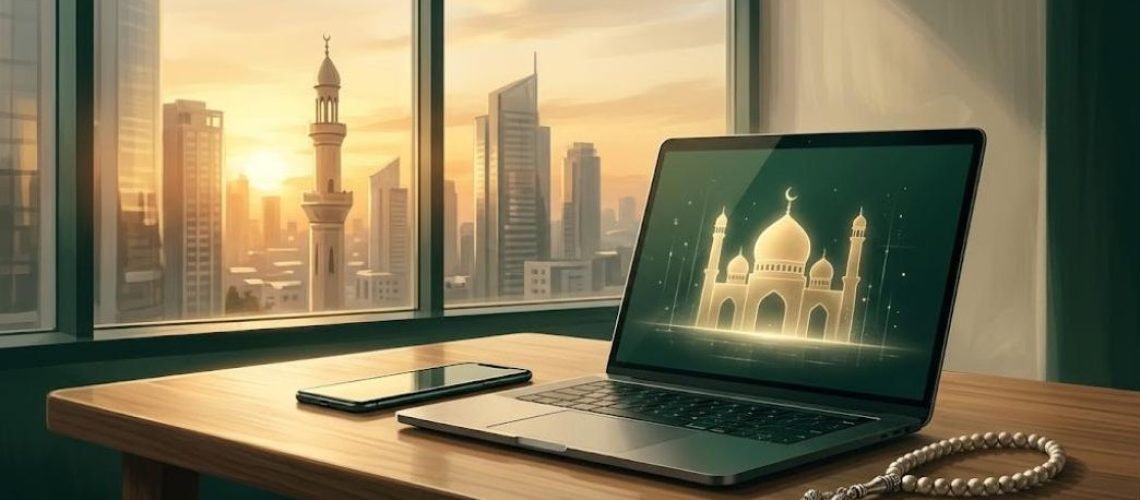
We live in a time when a small phone in our pocket can connect us to almost any person, book or lecture in the world within seconds. For a Muslim, this raises an important question: how does Islam view modern technology, and how should a believer use it?
Islam is not a religion that rejects progress or new inventions. The Quran was revealed more than fourteen centuries ago, long before aeroplanes, computers or the internet, yet its principles are for every age. Technology itself is a tool. Like a knife that can cut vegetables or cause harm, technology becomes good or bad according to how we use it. This article explains the benefits of technology, its dangers, and the Islamic manners that should guide our use of it.
Islam Encourages Knowledge and Learning
The very first words revealed to the Prophet Muhammad (peace be upon him) were about reading and knowledge. Allah says: “Read, in the name of your Lord who created… who taught by the pen — taught man what he did not know” (Quran 96:1-5). The pen mentioned in this verse is itself a piece of technology — a tool for recording and spreading knowledge.
Allah also says: “Say: Are those who know equal to those who do not know?” (Quran 39:9). The Prophet Muhammad (peace be upon him) taught his followers to seek beneficial knowledge throughout their lives, and Muslims in history acted on this teaching. Muslim scholars of the past developed algebra, hospitals, libraries and observatories, and their work later helped the whole world. This history shows that learning, research and invention are fully in line with the spirit of Islam.
The Benefits of Modern Technology for Muslims
Learning Islam From Anywhere
A Muslim in a small village today can listen to a Quran recitation, read a translation in his own language, or attend a lesson by a qualified scholar thousands of miles away. Quran apps help us read and memorise the Book of Allah, prayer apps remind us of Salah times, and digital libraries make thousands of authentic books available free of cost. Used well, technology has made Islamic knowledge more accessible than at any time in history.
Staying Connected and Helping Others
Technology allows families separated by countries to see and speak to each other. It allows charities to reach flood and earthquake victims quickly, communities to collect help for a poor neighbour within hours, and teachers to run free classes for students who cannot travel. Reminding each other of good deeds through a message, sharing a beneficial verse, or checking on a sick relative are all small acts that technology makes easy.
Earning a Halal Living
Millions of people now earn through honest online work — teaching, writing, design, trade and skilled services. Islam encourages earning a lawful livelihood through one’s own effort, and there is nothing wrong with using modern tools for business, as long as the work itself is halal and free from fraud, interest and deception.
The Dangers and Harms to Avoid
Wasting Time
The greatest hidden cost of technology is time. Hours can disappear into endless scrolling, games and videos that bring no benefit in this world or the next. The Prophet Muhammad (peace be upon him) said that two blessings which many people lose are health and free time (Sahih Bukhari 6412). A believer should ask himself each day: did my screen time bring me closer to Allah, or did it steal the time of my prayers, family and rest?
Spreading News Without Checking
Social media rewards speed, not truth. Forwarding a rumour can damage an innocent person’s honour. Allah commands: “O you who have believed, if there comes to you a disobedient one with information, investigate, lest you harm a people out of ignorance and become, over what you have done, regretful” (Quran 49:6). Before sharing any news, a Muslim should verify it — especially religious posts. A saying attributed to the Prophet (peace be upon him) should never be forwarded unless we know it comes from an authentic source.
Bad Manners Online
Mocking others, backbiting, arguing in comments, and looking at unlawful content do not become acceptable because they happen on a screen. Allah warns against mockery and suspicion and backbiting in Surah Al-Hujurat (Quran 49:11-12), and these verses apply in our digital life exactly as they apply in person. What we type is also recorded, and we are responsible for it.
Distraction From Worship and Family
A phone at the dinner table, notifications during Salah, and late-night screen use that delays Fajr are signs that the tool has started to control us. Setting limits — such as phone-free family time and switching off notifications before prayer — protects both our worship and our relationships.
A Balanced Islamic Approach
The right approach is neither to reject technology completely nor to surrender to it completely. A few practical principles can help:
- Make your intention good. Use technology for learning, halal earning, family ties and helping others.
- Protect the five daily prayers. No meeting, game or video is worth missing Salah.
- Verify before you share. Check news and religious information from reliable sources.
- Guard your eyes and tongue. Avoid unlawful content, mockery and pointless arguments.
- Set daily limits. Fix a time for beneficial use and keep time for the Quran, family and rest.
- Supervise children with kindness. Teach young people these manners early, and be a good example yourself.
New questions will keep coming, such as those about artificial intelligence. The method of Islam remains the same: scholars study each new matter in the light of the Quran and Sunnah, keeping benefit and preventing harm.
Conclusion
Modern technology is a blessing from Allah when it is used with gratitude, honesty and self-control, and it becomes a test when it wastes our time and pulls us away from worship. Islam does not ask us to run away from the modern world; it asks us to live in it as conscious believers. If we seek knowledge, verify what we share, protect our prayers and use our devices for good, technology can become a means of reward rather than regret. May Allah enable us to use every blessing He has given us in the way that pleases Him. Ameen.